A good barcode system starts with clean data
Many projects install the hardware and still cannot use it properly, because item data and working steps are still changing. Settling the data first avoids rework and repeated investment.
Five areas to close out before installation
- Item codes: fix a consistent length and format. If GTIN or EAN is already in use, there is no need to invent a new code.
- Units of measure: state clearly how many cartons per pallet and how many pieces per carton, so system quantities match physical stock.
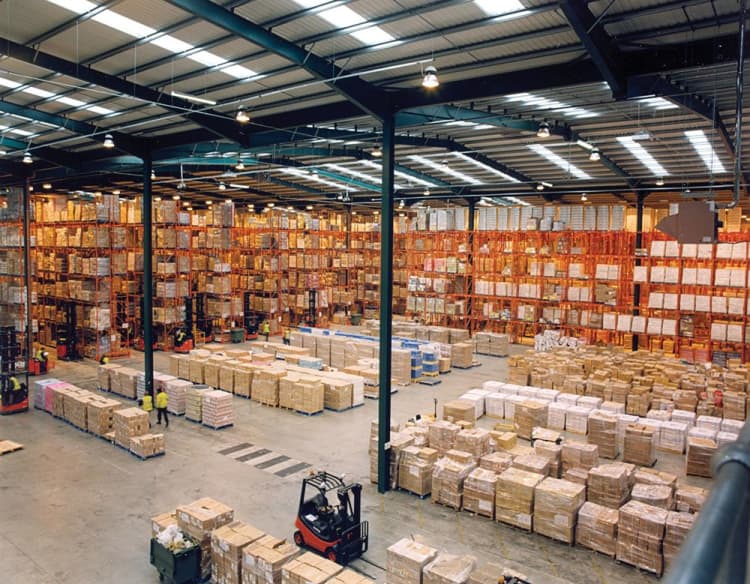
- Storage locations: assign area, level, and bin codes such as A-01-03-2 so a scan returns the exact position.
- Receiving, issuing, and transfer steps: write down where staff scan, how many times, and who confirms the document.
- Required reports: name the reports that drive decisions, such as daily balance, ageing, or open receipts.
From data to labels and hardware
| Data you prepared | Decision it drives |
|---|---|
| Carton size and packaging surface | Label size, face material, and adhesive |
| Labels printed per day | Printer model and print speed |
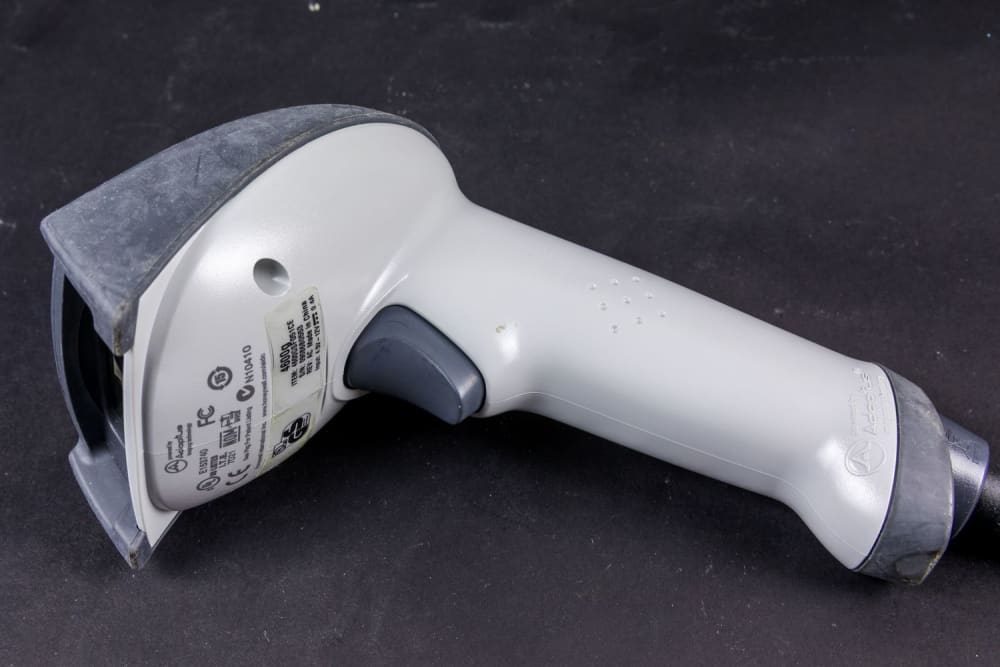
| Read distance and lighting in the warehouse | Scanner type and model |
| Where staff scan from | Handheld device versus forklift mounted terminal |
Pilot one zone first
Before rolling out across the site, run one zone for one to two weeks and measure failed scans, duplicated entries, and time per cycle. Expand once those numbers are stable.
MNARA supports label design and hardware selection based on each warehouse data set, and can supply printed samples for a real trial before go-live.